Black friday 75% Off:
How to Dump Plastic Bags Without Dumping on the Planet
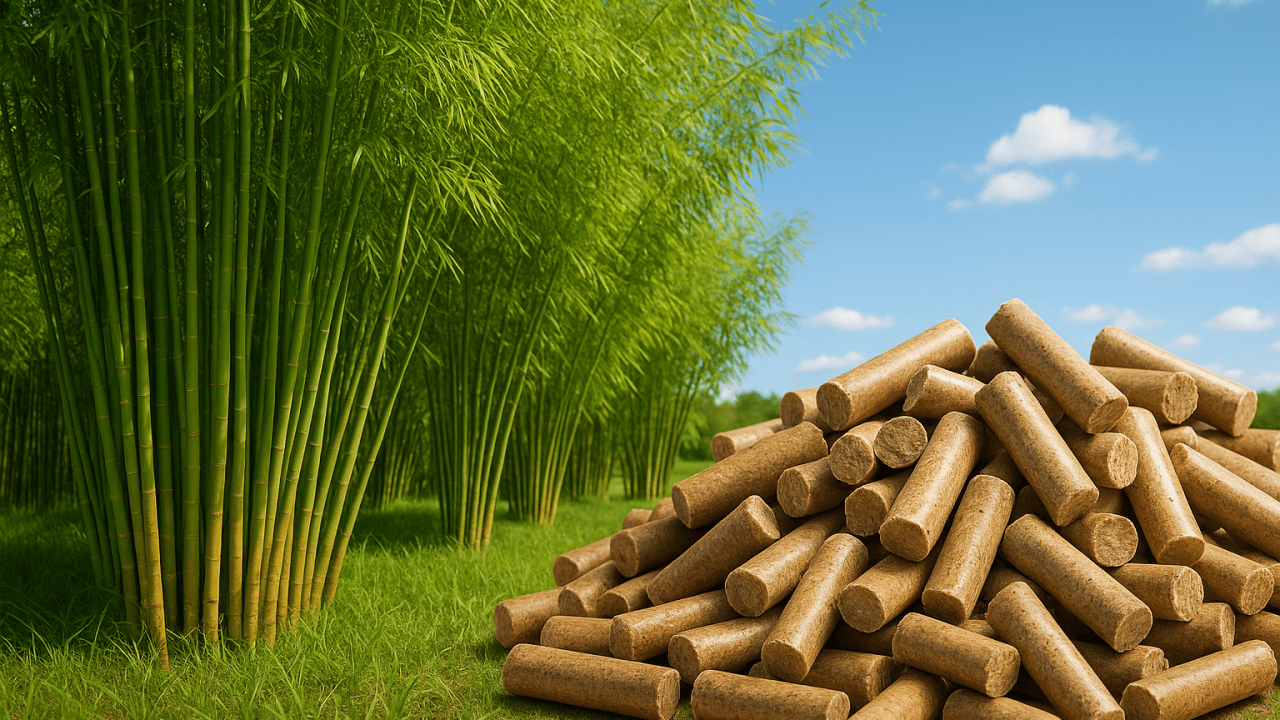
Why Bamboo is Called “Green Gold” in Sustainable Living
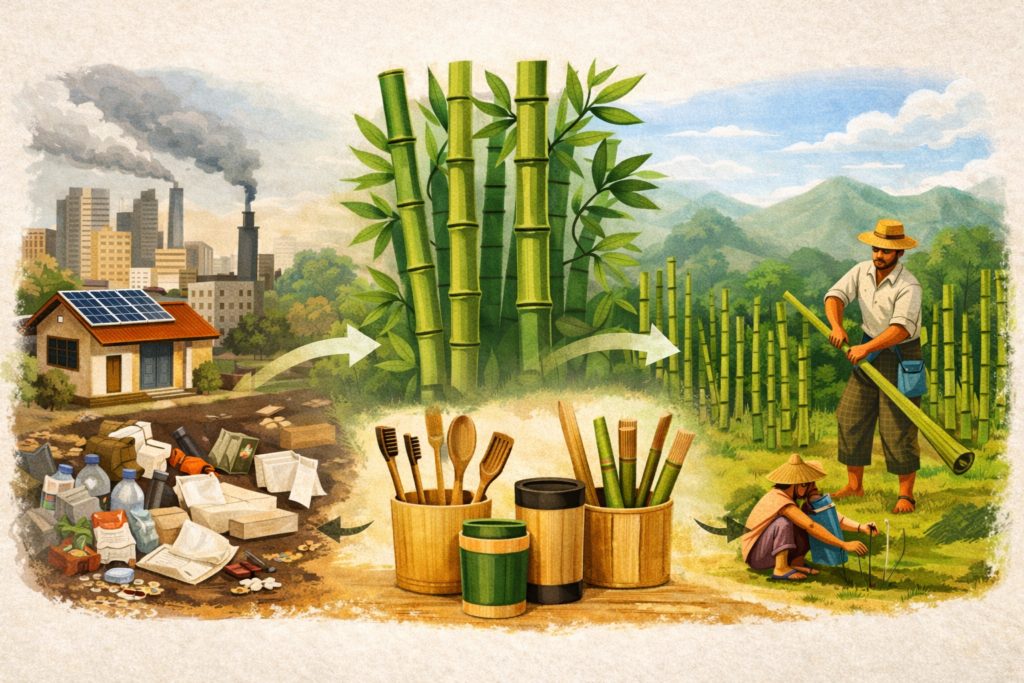
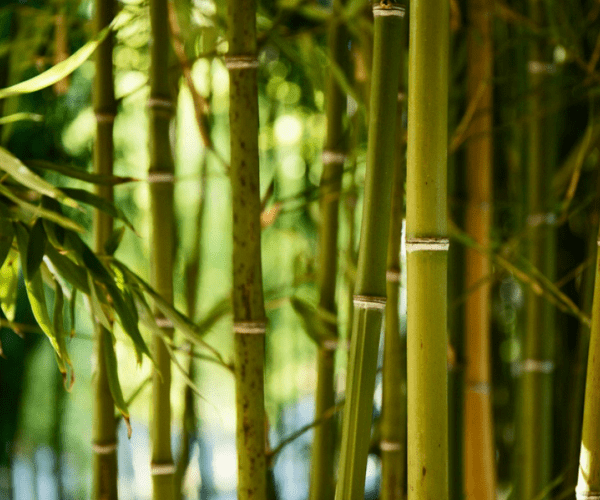
In the world of sustainability, few natural resources have earned as much admiration as bamboo. Often referred to as “green gold”, bamboo is more than just a plant—it’s a powerhouse of eco-friendly solutions. From furniture and home products to textiles and construction, bamboo is reshaping the way we think about sustainable living.
But why exactly is bamboo called green gold? Let’s dive into the unique qualities of bamboo that make it a cornerstone of sustainable living and an essential material for building a greener future.
Bamboo is One of the Fastest-Growing Plants on Earth
Unlike hardwood trees that take decades to mature, bamboo can grow up to three feet in a single day under the right conditions. Most species reach full maturity in just 3–5 years. This rapid growth means bamboo can be harvested frequently without depleting natural resources.
This makes bamboo an endlessly renewable material, ensuring that it can keep up with the growing demand for eco-friendly alternatives without causing deforestation.
Natural Carbon Absorber
Bamboo plays a critical role in fighting climate change. Studies show that bamboo can absorb up to 12 tons of carbon dioxide per hectare per year—significantly more than many trees. At the same time, it releases 35% more oxygen into the air.
By planting and using bamboo, we can actively reduce greenhouse gases while improving air quality, making it a true climate warrior.
Zero Waste Plant
Almost every part of the bamboo plant can be used—stems, shoots, and leaves. Whether it’s for making paper, furniture, food, fabrics, or cleaning products, bamboo leaves no waste behind. Even its byproducts, like sawdust, can be repurposed as biofuel or organic fertilizer.
This “zero waste” nature makes bamboo incredibly resource-efficient, something very few natural materials can claim.

Versatility Beyond Compare
One of the reasons bamboo is called green gold is its unmatched versatility. It can replace harmful materials like plastic, steel, and even concrete in some cases. Bamboo is used to make:
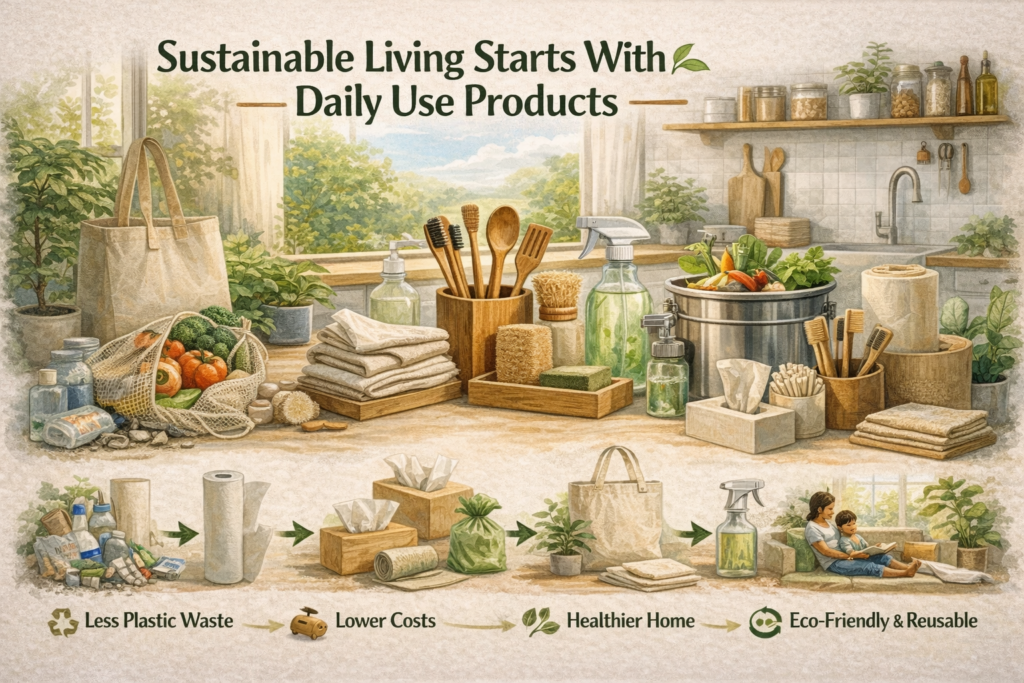
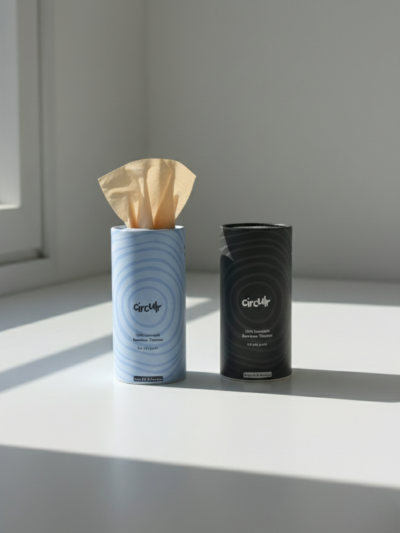
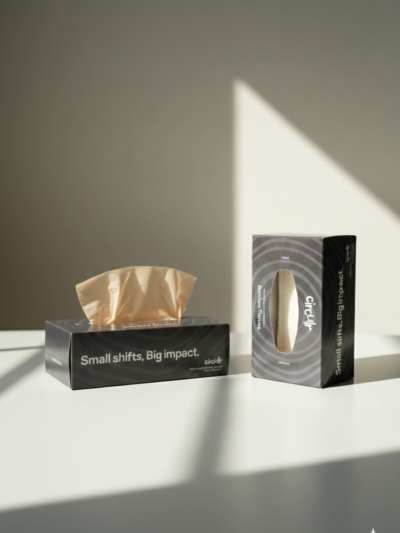
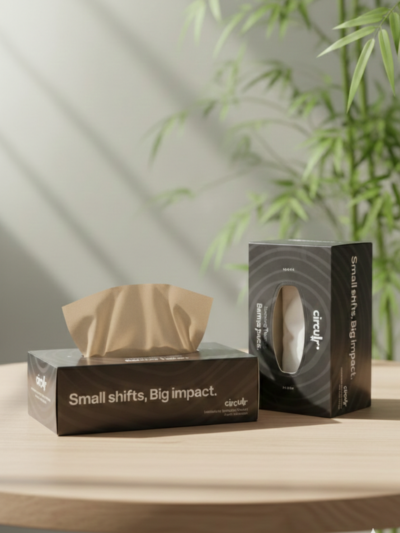
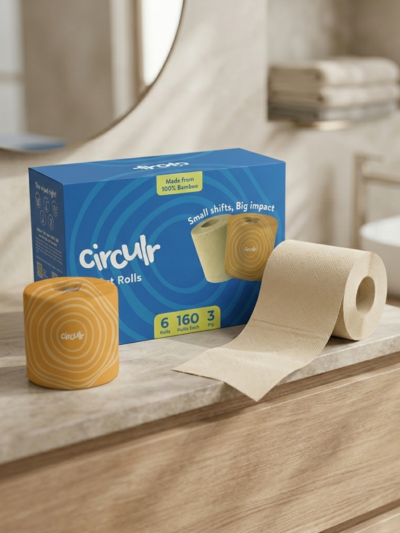
- Household products (tissues, toothbrushes, cleaning tools, compostable bags)
- Furniture and flooring (strong, stylish, and long-lasting)
- Clothing and fabrics (soft, breathable, and biodegradable)
- Construction materials (scaffolding, structural supports, eco-friendly housing)
Its wide range of applications makes bamboo an essential material in sustainable lifestyles.
Strong Yet Lightweight
Don’t be fooled by its delicate appearance—bamboo is stronger than steel in terms of tensile strength. This is why it has been used in construction for centuries in Asia and is now gaining global recognition as an eco-friendly building material.
Despite its strength, bamboo is lightweight and flexible, making it easier to work with than many traditional materials. This combination of strength and lightness makes bamboo both practical and sustainable.
Soil and Water Conservation
Unlike crops that deplete the soil, bamboo enriches it. Its root system helps prevent soil erosion, retains water, and even restores degraded lands. Because it doesn’t require replanting after harvesting, bamboo ensures long-term soil health.
Moreover, bamboo needs significantly less water than cotton or many hardwood trees, making it a far more sustainable choice for large-scale cultivation.
Biodegradable and Non-Toxic
Plastic pollution is one of the biggest threats to our planet. Unlike plastic, bamboo products naturally decompose within months to a few years, depending on conditions. This makes them a safe alternative for the environment.
Additionally, bamboo doesn’t require pesticides or chemical fertilizers to grow, which means bamboo-based products are naturally safer for your family and pets.
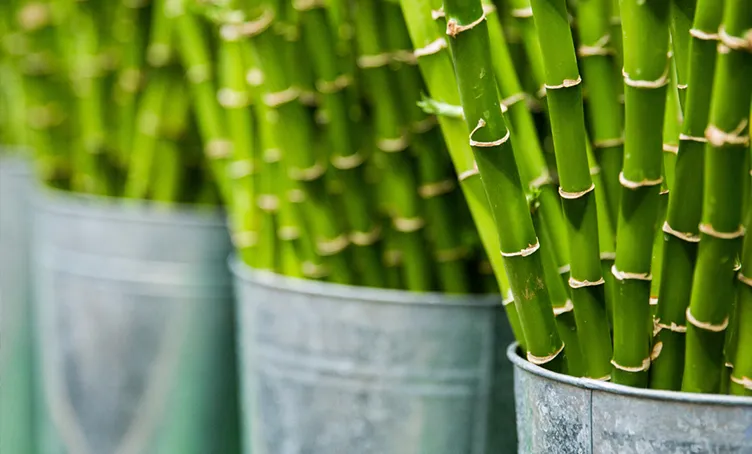

Economic Opportunities for Communities
Another reason bamboo is called green gold is its economic impact. Bamboo cultivation and product manufacturing create sustainable livelihoods for millions of people around the world, especially in rural areas. From farmers to artisans, bamboo provides income while promoting environmental conservation.
By choosing bamboo products, consumers are not just supporting the environment but also uplifting communities that rely on bamboo as a source of livelihood.
Health and Wellness Benefits
Bamboo products are not only eco-friendly but also beneficial for health. For example:
- Bamboo tissues and fabrics are hypoallergenic and gentle on sensitive skin.
- Bamboo flooring and furniture improve indoor air quality by emitting fewer toxins.
- Bamboo cleaning products are chemical-free, keeping homes safer for kids and pets.
These qualities make bamboo a holistic solution for sustainable and healthy living.
Conclusion: The True Value of Green Gold
Bamboo’s rapid growth, versatility, strength, and eco-friendly properties make it nothing short of extraordinary. It supports sustainable lifestyles, combats climate change, and creates economic opportunities—all while protecting natural resources.
That’s why bamboo is rightly called “green gold.” By embracing bamboo-based products in our homes—whether it’s tissues, furniture, or compostable bags—we not only reduce our environmental footprint but also contribute to a healthier, greener future.
The next time you pick up a bamboo product, remember—you’re holding a piece of green gold in your hands.