Black friday 75% Off:
How to Dump Plastic Bags Without Dumping on the Planet
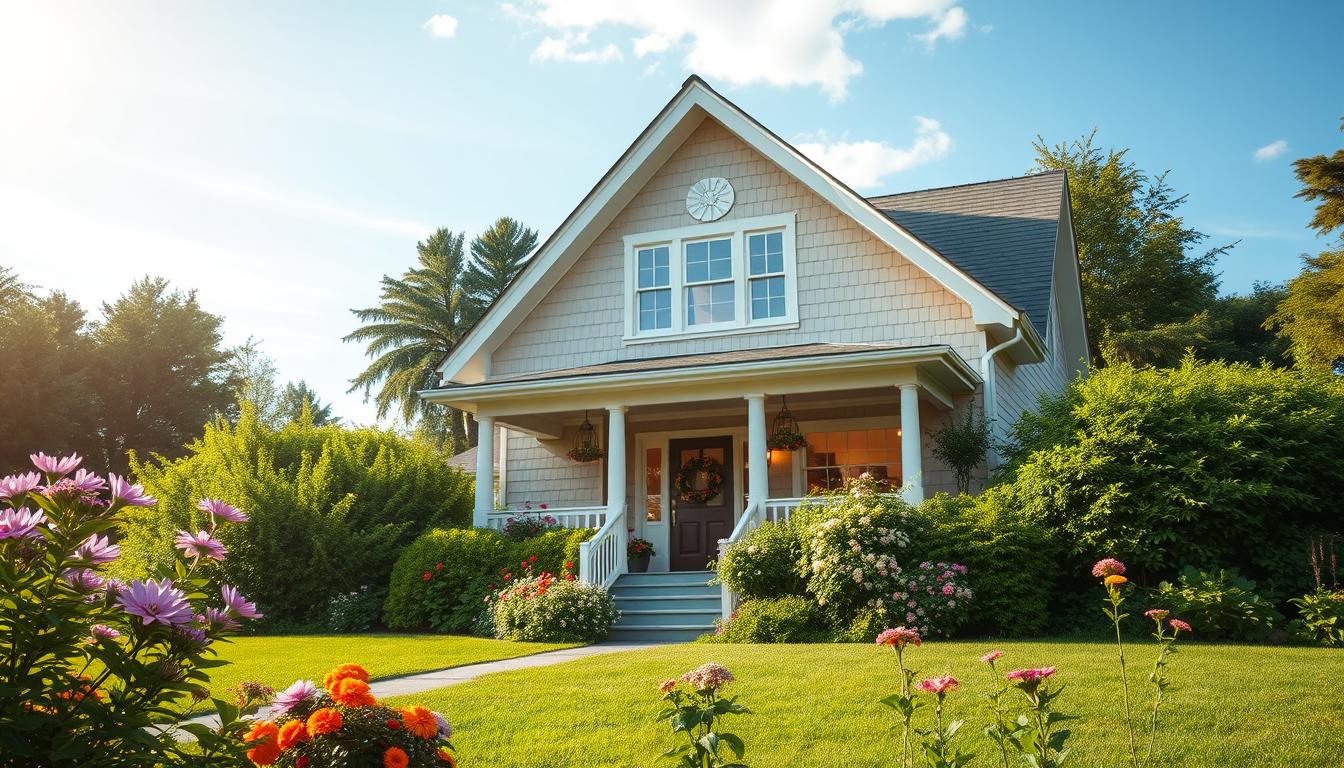
The Future of Green Homes: Trends in Sustainable Living
The way we design, build, and live in our homes is changing rapidly. As the effects of climate change become increasingly visible, more people are turning toward eco-friendly practices to reduce their environmental footprint. Homeowners are realizing that sustainable living is not just a passing trend—it is the future. Green homes combine comfort, health, and efficiency with a responsibility to protect the planet.
In this blog, we’ll explore the emerging trends shaping the future of green homes and how you can adopt them to create a healthier and more sustainable lifestyle.
Energy-Efficient Homes
One of the biggest priorities in green living is energy efficiency. Traditional homes often consume large amounts of electricity for cooling, heating, and lighting. However, energy-efficient designs and technologies are making it possible to reduce consumption significantly.
Key trends in this space include:
- Smart Thermostats & Appliances – Devices that adapt to your lifestyle, reducing unnecessary energy use.
- LED Lighting – A small switch that reduces electricity consumption by up to 75%.
- Insulation & Smart Windows – Better insulation materials and double-glazed windows that keep homes cool in summer and warm in winter, reducing reliance on air conditioners and heaters.
Energy-efficient homes are not just good for the planet—they also cut down on utility bills, making them an investment in long-term savings.
Solar Power and Renewable Energy
The shift to renewable energy is at the heart of sustainable living. Solar panels, in particular, are becoming more affordable and accessible, allowing homeowners to generate their own clean electricity. Some green homes are also integrating:
- Solar water heating systems for bathrooms and kitchens.
- Wind turbines for areas with suitable weather conditions.
- Battery storage solutions to store excess energy for later use.
In the near future, many homes may become completely “off-grid,” relying solely on renewable energy sources.
Eco-Friendly Building Materials
The construction industry is responsible for a significant share of global carbon emissions. This has created a strong demand for eco-friendly building materials that are durable, affordable, and sustainable. Some popular options include:
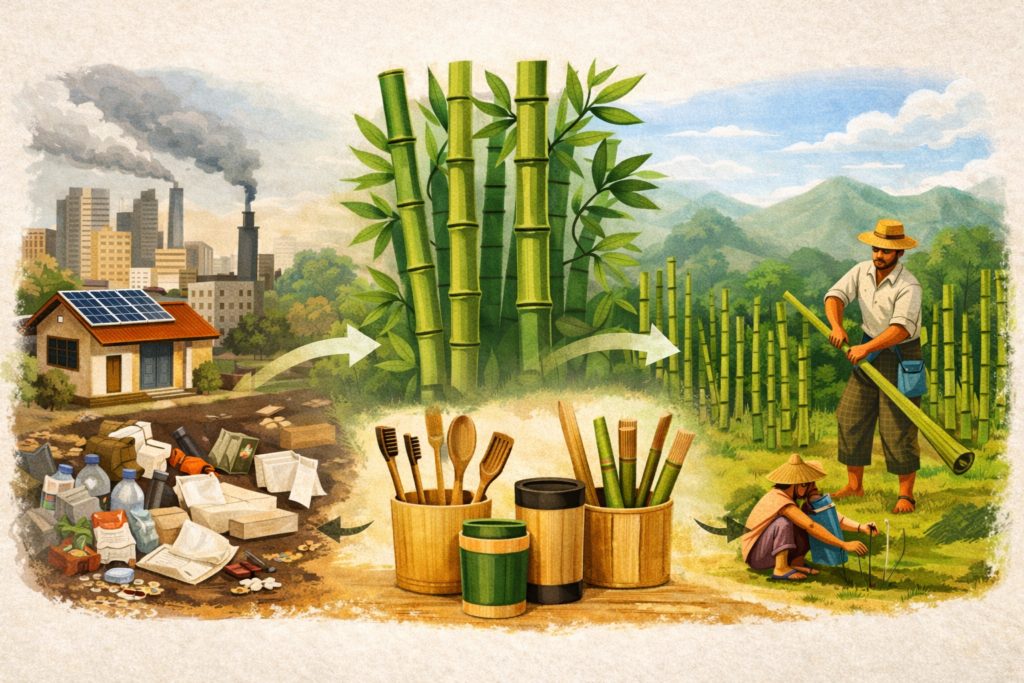
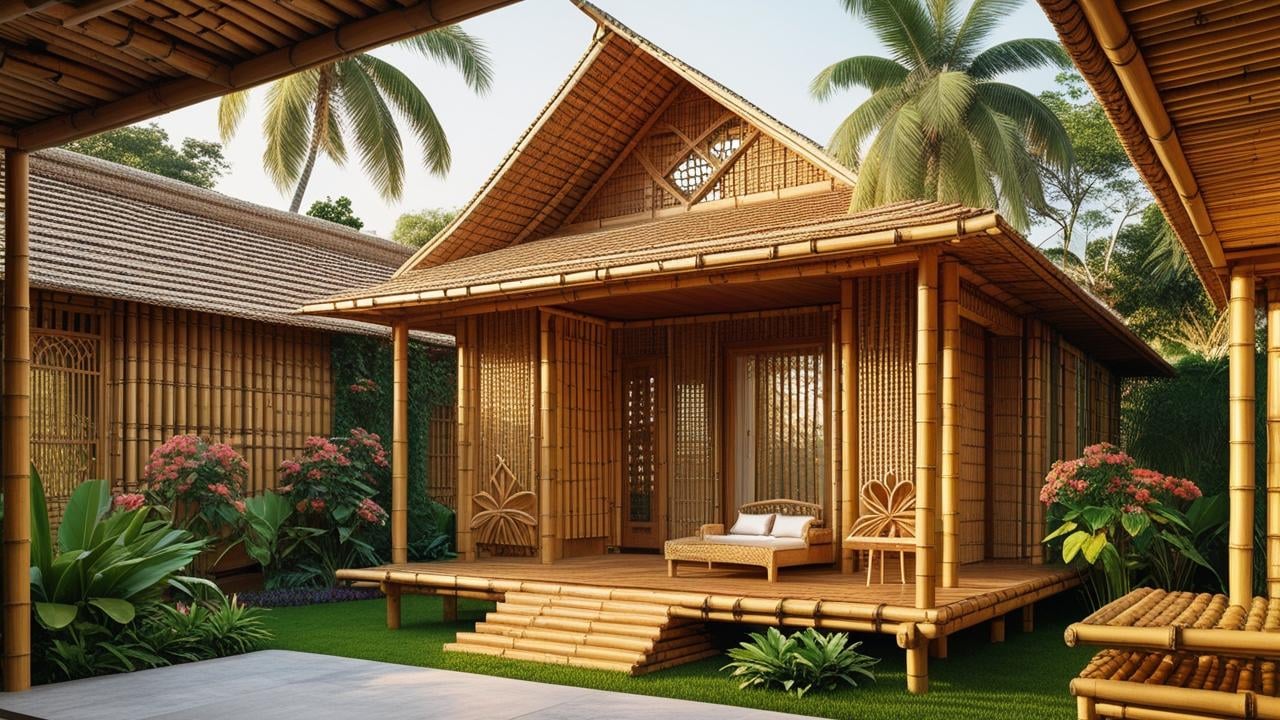
- Bamboo: Strong, lightweight, and renewable, bamboo is increasingly used for flooring, furniture, and even structural support.
- Recycled Steel & Wood: Gives old materials new life, reducing the need for fresh raw resources.
- Eco-Bricks & Rammed Earth Walls: Innovative alternatives to traditional bricks and cement.
Using sustainable materials not only reduces environmental harm but also creates healthier indoor spaces with fewer toxic chemicals.

Water Conservation Systems
As water scarcity becomes a pressing issue globally, green homes are embracing technologies that help conserve water.
- Rainwater harvesting systems store rainwater for household use.
- Greywater recycling systems treat and reuse water from sinks, showers, and washing machines for irrigation.
- Low-flow taps and dual-flush toilets reduce wastage without compromising convenience.
Such innovations make a big difference, especially in urban areas where water shortages are becoming more common.
Smart Green Homes
Technology is playing a huge role in the future of sustainability. Smart homes are not just about convenience—they also improve energy and resource efficiency.
Imagine a home where:
- Lights automatically switch off when no one is in the room.
- Your air conditioner adjusts itself based on outdoor weather.
- Appliances run during off-peak hours to reduce strain on the power grid.
These advancements reduce waste and make sustainable living easier and more seamless.
Zero-Waste Living Spaces
Green homes are increasingly being designed with zero-waste principles in mind. This includes:
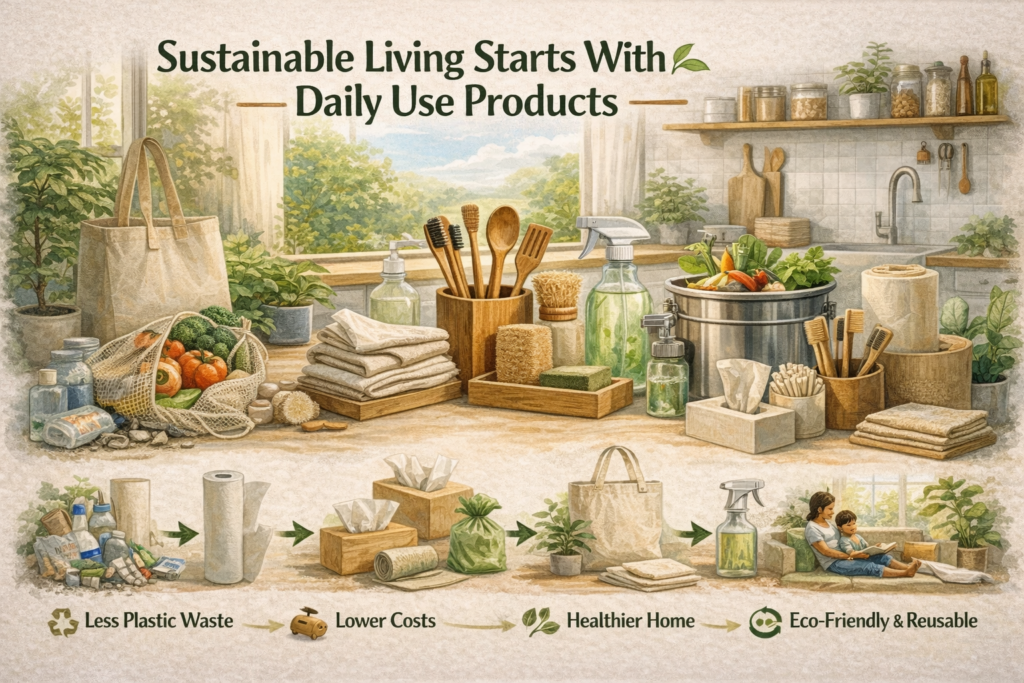
- Using compostable garbage bags instead of plastic.
- Setting up home composting units to recycle kitchen waste into fertilizer.
- Creating storage and shopping systems that reduce single-use plastics.
Zero-waste homes not only benefit the environment but also inspire healthier and more mindful lifestyles.
Indoor Air Quality and Natural Living
Many people don’t realize that indoor air can be more polluted than outdoor air, thanks to chemicals from paints, cleaners, and synthetic furniture. Green homes focus on improving indoor air quality by:
- Using chemical-free cleaning products (like bamboo-based solutions).
- Adding indoor plants that naturally purify air.
- Choosing low-VOC paints and finishes for walls and furniture.
This trend not only benefits the environment but also contributes to better physical and mental health for families.
Community and Shared Sustainability
The future of green living goes beyond individual homes. Many new residential communities are being designed with sustainability at their core. These include:
- Shared solar energy systems.
- Community composting and recycling centers.
- Green spaces and rooftop gardens that encourage biodiversity.
By working together, neighborhoods can have a much bigger impact on reducing carbon footprints than individuals alone.
Conclusion: Building Homes for a Better Tomorrow
The future of green homes is about combining technology, innovation, and eco-conscious choices to create spaces that are sustainable, comfortable, and healthy. From renewable energy and water conservation to bamboo-based products and zero-waste living, these trends are shaping a future where homes are not just shelters—but solutions to environmental challenges.
By adopting even a few of these practices, you can make your home part of the global movement toward a greener, cleaner planet. After all, sustainable living begins at home.