Black friday 75% Off:
How to Dump Plastic Bags Without Dumping on the Planet
The Problem With Single-Use Home Products—And What To Use Instead
We use many things for just minutes. Then we throw them away. Single use products fill our homes and bins every day. From tissues to plastic wraps, these items create serious plastic waste at home without us noticing.
The problem is bigger than it looks. Most single use plastic products do not break down easily. They harm soil, water, and even our health. Let’s understand why this matters and what you can use instead.
Why Single-Use Products Are A Growing Problem
Convenience made disposable products popular. They save time but cost the planet heavily. Most of these items are used once and discarded.
The impact includes:
- Increased landfill waste
- Rising plastic pollution
- Harm to animals and oceans
- Long-term soil contamination
A few minutes of use can create hundreds of years of damage.
Plastic Waste Starts At Home
Many people think pollution happens in factories. But much of it begins in kitchens and bathrooms. Single use household items are major contributors.
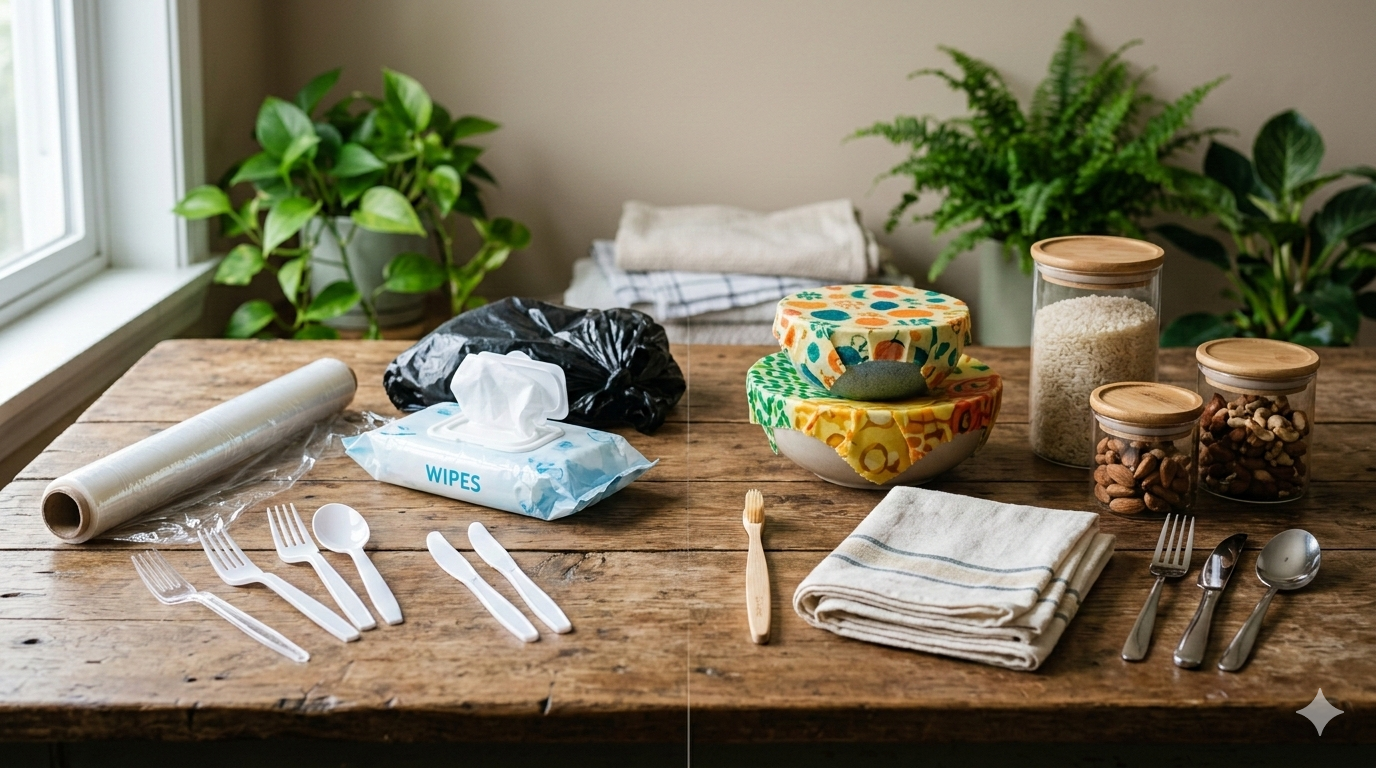
Common culprits include:
- Plastic food wraps
- Disposable cutlery
- Paper towels
- Plastic garbage bags
- Wet wipes
Reducing plastic waste at home makes a real difference.
The Hidden Cost Of Disposable Products
Disposable items may seem cheap. But they increase long-term expenses and waste. You keep buying them again and again.
Hidden costs include:
- Repeated purchases
- Overflowing trash bins
- Higher waste management impact
- Environmental cleanup burden
Replacing single use products with durable options saves money over time.

Health Risks Of Single Use Plastic Products
Many single use plastic products contain chemicals. These chemicals may leak into food or air. Heat and friction increase this risk.
Possible concerns include:
- Chemical exposure in food
- Skin irritation from treated wipes
- Microplastic contamination
- Indoor air pollution
Switching to safer alternatives supports healthier living.
What To Use Instead In The Kitchen
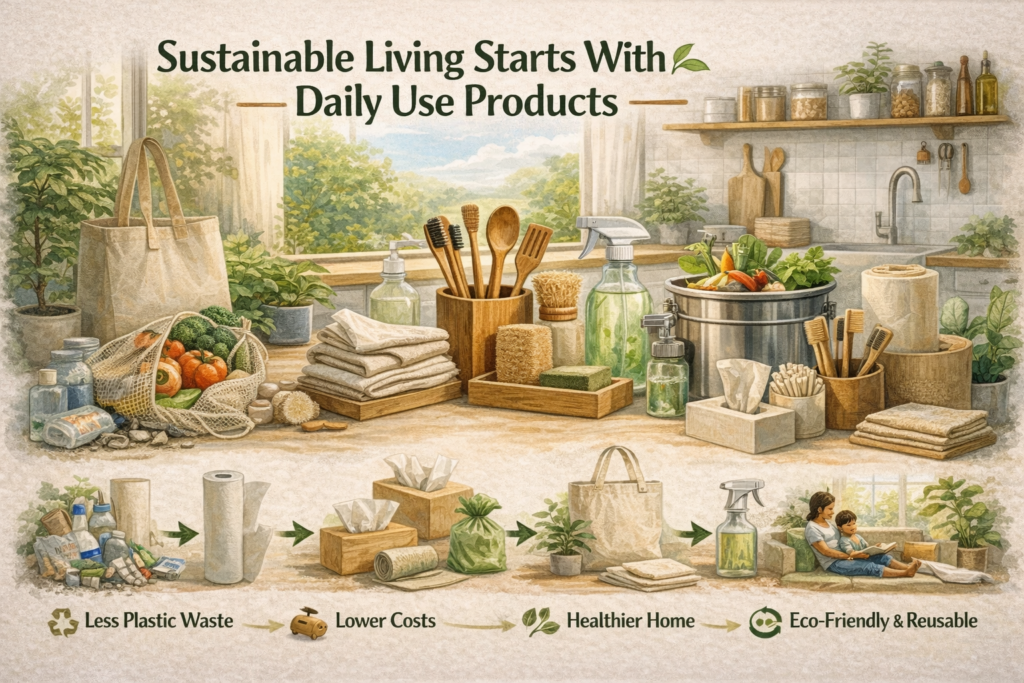
The kitchen produces most household waste. Simple swaps can reduce plastic pollution quickly.
Better alternatives include:
- Reusable kitchen towels instead of paper rolls
- Beeswax wraps instead of plastic wraps
- Steel cutlery instead of disposable forks
- Glass storage jars instead of plastic containers
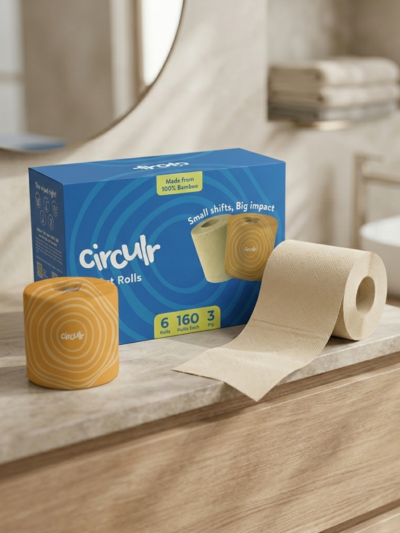
Brands like Circulr offer practical reusable essentials.
Replace Disposable Cleaning Products
Cleaning often involves disposable products like wipes and synthetic cloths. These add to landfill waste.
Try switching to:
- Washable bamboo cleaning cloths
- Refillable cleaning solutions
- Compostable garbage bags
- Durable scrubbers made from natural fibers
These swaps reduce plastic waste at home easily.
Bathroom Swaps That Matter
Bathrooms also contain many single use household items. Small changes here create big impact.
Replace:
- Plastic toothbrushes with bamboo ones
- Disposable razors with reusable metal razors
- Single-use wipes with washable cloths
- Plastic bottles with refill packs
These steps cut down daily single use products.

How Much Waste Can You Reduce?
Small swaps add up fast. Imagine one family replacing paper towels and plastic wraps.
In one year, you can reduce:
- Hundreds of paper rolls
- Dozens of plastic wrap boxes
- Many plastic garbage bags
- Large volumes of landfill waste
This directly lowers plastic pollution.
How To Start Without Feeling Overwhelmed
You do not need to change everything at once. Focus on high-waste areas first. Build habits slowly and consistently.
Simple action plan:
- Identify your top three disposable items
- Find reusable alternatives
- Replace one item each month
- Involve your family in the process
Consistency creates long-term change.
Choose Better, Waste Less
The problem with single use products is not convenience. It is the lasting damage they create. From single use plastic products to other disposable products, daily habits add to growing plastic pollution.
Reducing plastic waste at home is simple when you switch to reusable alternatives. Start with one swap today and build a cleaner, smarter home for tomorrow.