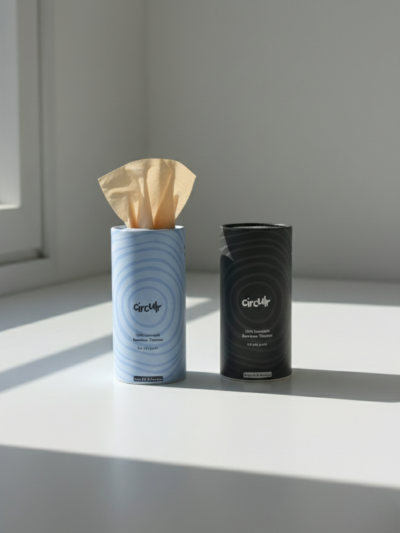
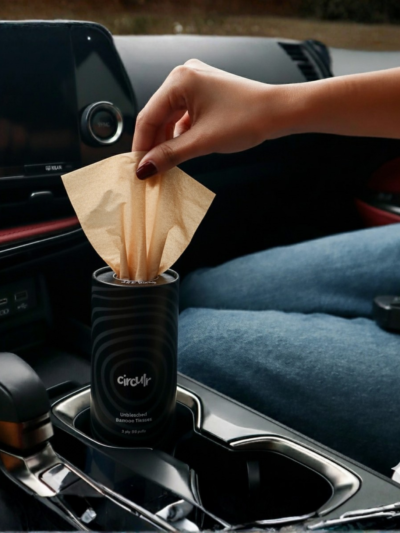
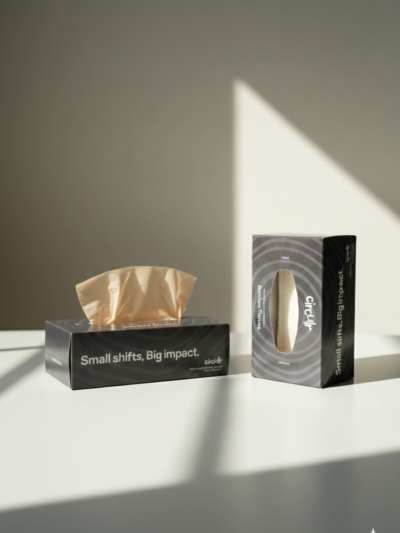
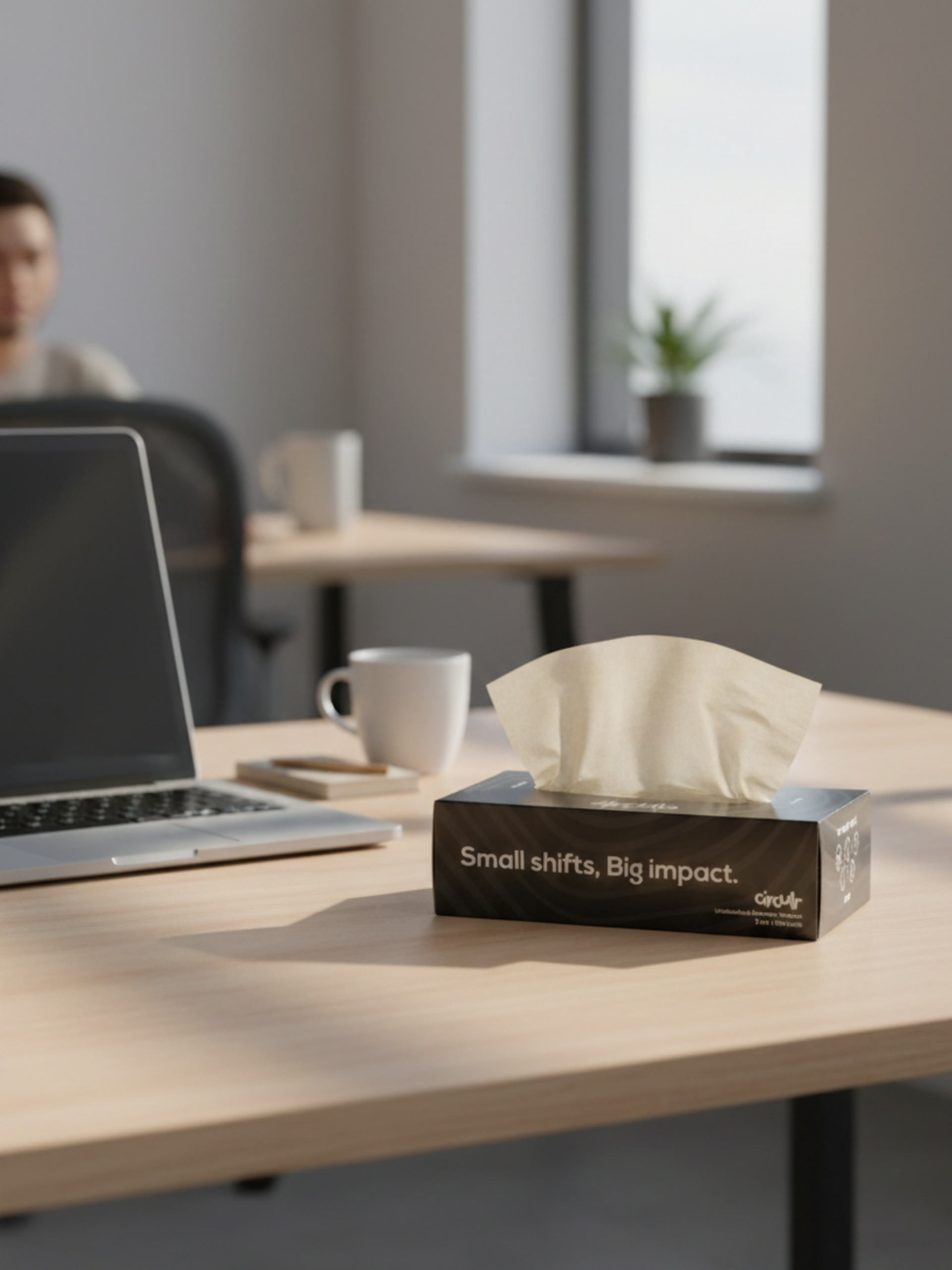
The way we use products at home affects the planet deeply. Most household items follow a “use and throw” pattern. This creates waste and pollution. Switching to plant based home essentials supports a smarter system called the circular economy.
In simple words, a circular system reduces waste and keeps materials in use longer. That is the foundation of true sustainable living.
What Is A Circular Economy?
A circular economy is different from the traditional “take, make, dispose” model. Instead of throwing products away, materials are reused, recycled, or returned to nature safely.
It focuses on:
- Reducing waste
- Reusing materials
- Recycling resources
- Designing long-lasting products
Plant-based choices make this system possible.
The Problem With Linear Consumption
How Plant-Based Products Fit Into A Circular Economy
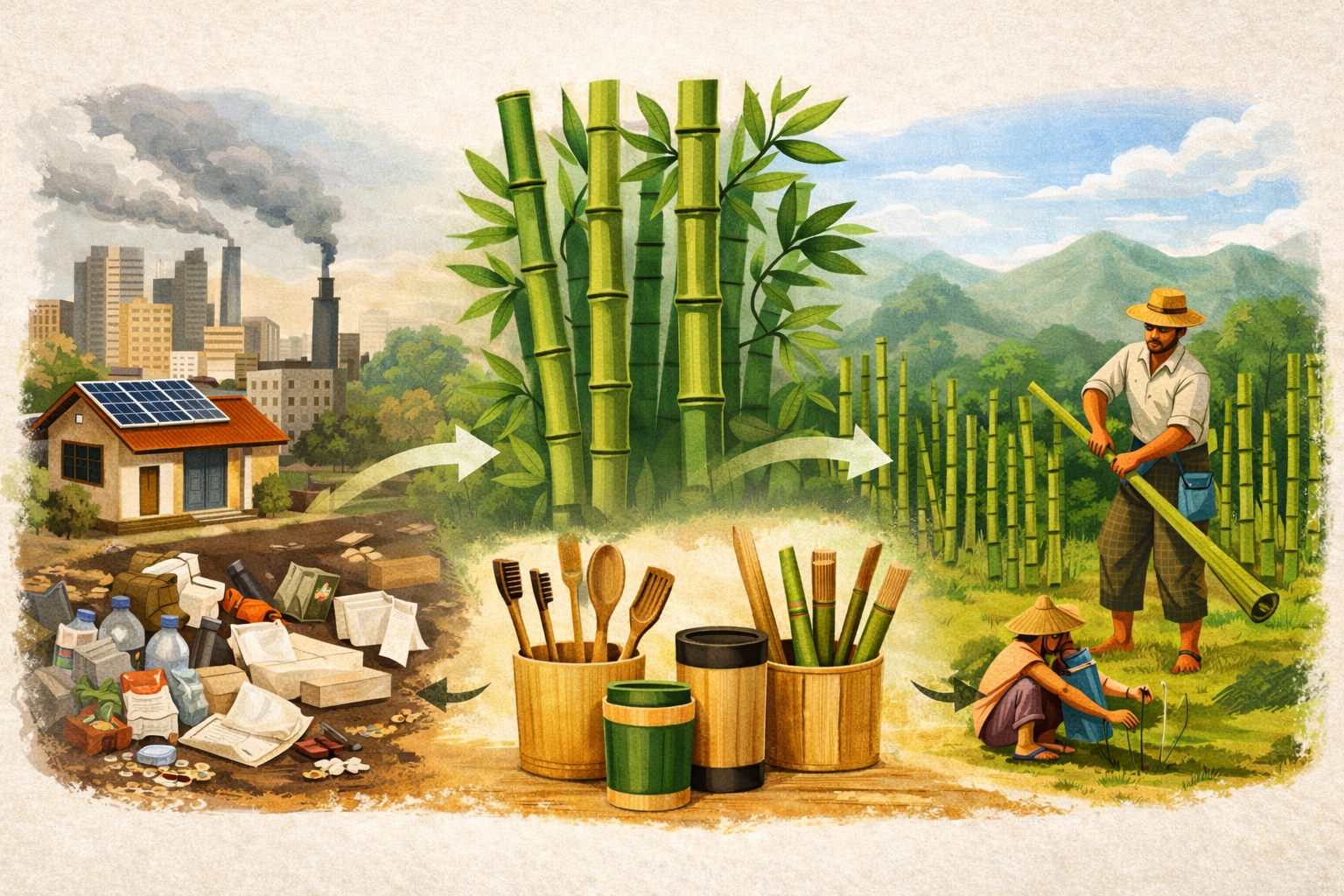
Plant materials come from renewable sources. When managed responsibly, they grow back quickly. After use, many can decompose naturally.
This means:
- Less dependence on fossil fuels
- Lower carbon footprint
- Natural biodegradation
- Reduced long-term waste
That is how sustainable products close the loop.
Benefits Of Plant-Based Home Essentials
Examples Of Circular Plant-Based Swaps
Lower Carbon Emissions In Production
Designing Products For Reuse And Composting
Economic Benefits Of Circular Choices
Building A Sustainable Lifestyle Through Daily Habits
Close The Loop At Home
 Black friday 75% Off: