Black friday 75% Off:
How to Dump Plastic Bags Without Dumping on the Planet
The Role Of Bamboo In Reducing India’s Household Carbon Footprint
India’s growing cities and homes are increasing energy use and waste. Every family contributes to the household carbon footprint through daily products and habits. Switching to bamboo products is one simple way to lower emissions without changing your lifestyle drastically.
As awareness grows, more families are choosing bamboo products in India to support cleaner, greener homes.
Understanding Household Carbon Footprint
Your household carbon footprint includes emissions from electricity, water, food, and daily-use products. Many disposable items create emissions during production and disposal.
Major contributors at home:
- Plastic packaging
- Single-use paper products
- Energy-heavy manufacturing materials
- Waste sent to landfills
Replacing these items helps reduce carbon footprint at home.
Why Bamboo Is A Powerful Climate Solution
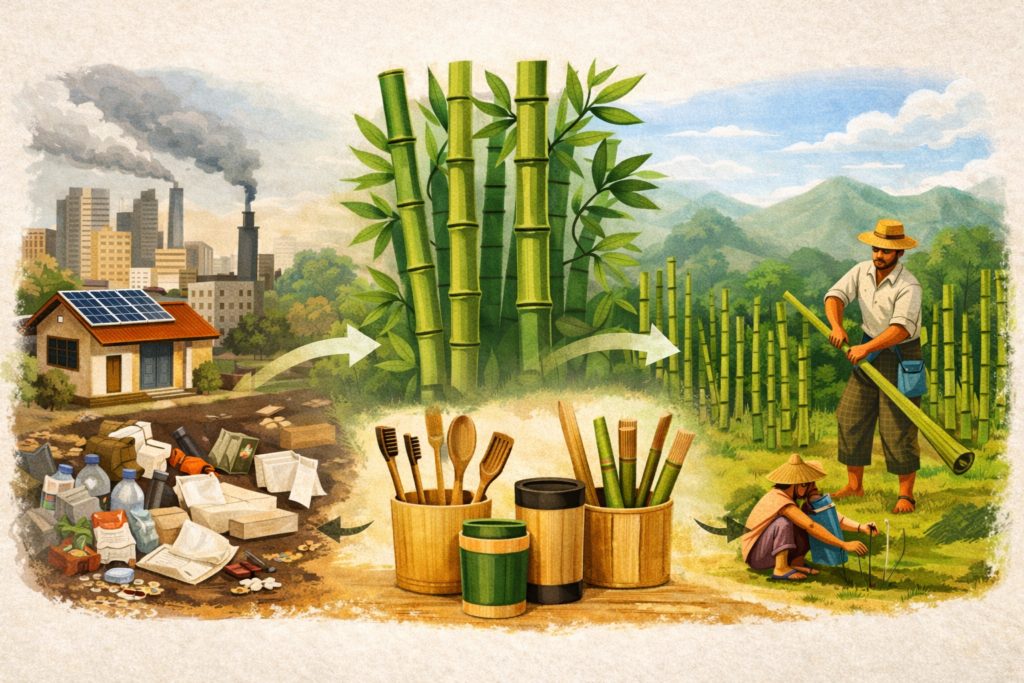
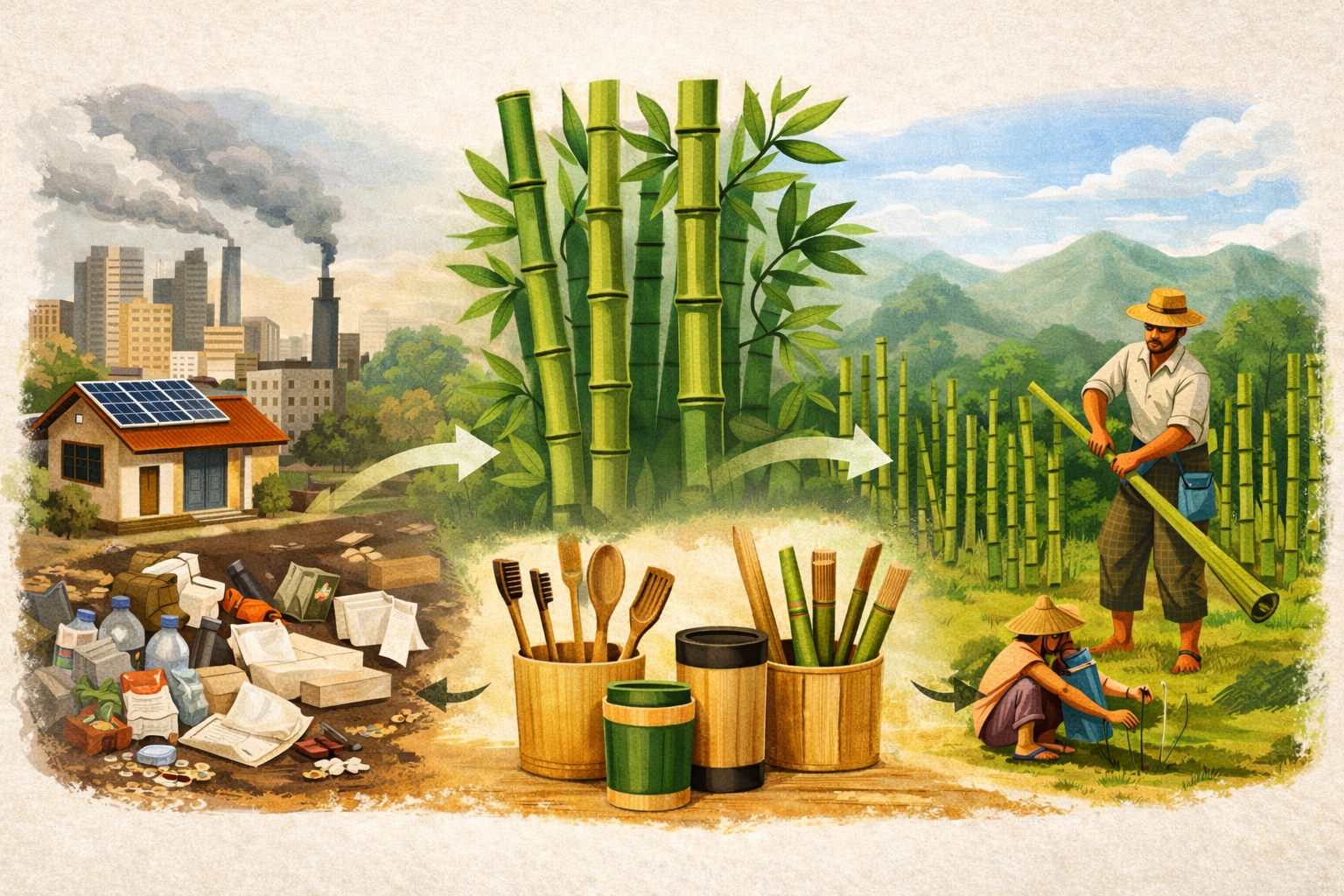
Bamboo is one of the fastest-growing plants in the world. It absorbs more carbon dioxide than many trees. It also regenerates naturally after harvesting.
Key reasons bamboo helps:
- High carbon absorption
- Rapid growth cycle
- Minimal water requirement
- No need for heavy pesticides
This makes bamboo a strong bamboo sustainable material.
Bamboo Vs Tree-Based Household Products
Many paper products come from trees. Trees take decades to grow back. Bamboo grows within a few years.
Comparison highlights:
- Bamboo regrows after cutting
- Tree harvesting causes deforestation
- Bamboo farming protects soil
- Bamboo lowers raw material emissions
Switching to bamboo eco friendly products reduces pressure on forests.

Lower Emissions In Manufacturing
Production processes matter. Plastic and synthetic materials require heavy industrial energy. Bamboo processing usually needs less energy.
Benefits include:
- Lower carbon emissions during production
- Reduced fossil fuel use
- Minimal chemical treatment
- Less industrial waste
This supports efforts to reduce carbon footprint at home.
Everyday Bamboo Swaps In Indian Homes
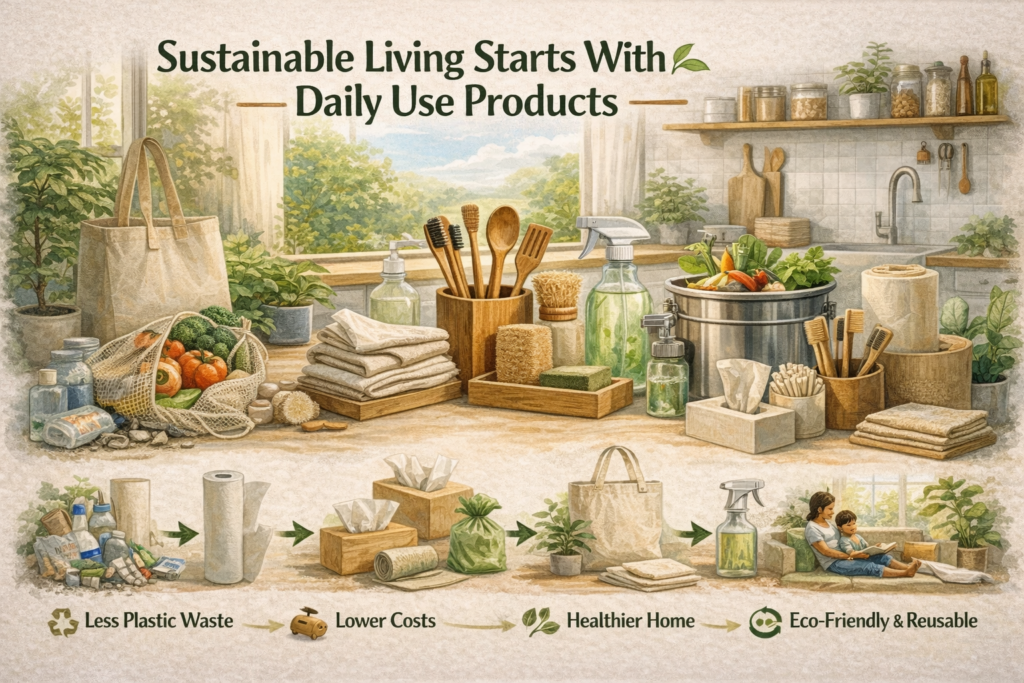
Indian households use many disposable paper and plastic products daily. Replacing even a few creates measurable impact.
Simple bamboo swaps:
- Bamboo kitchen towels instead of paper rolls
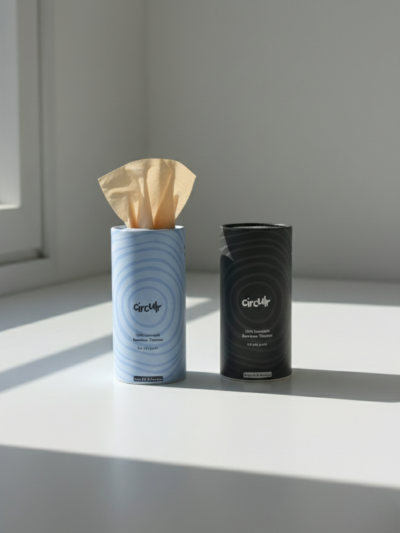
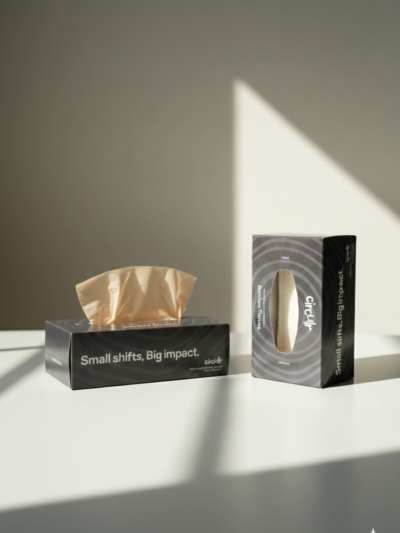
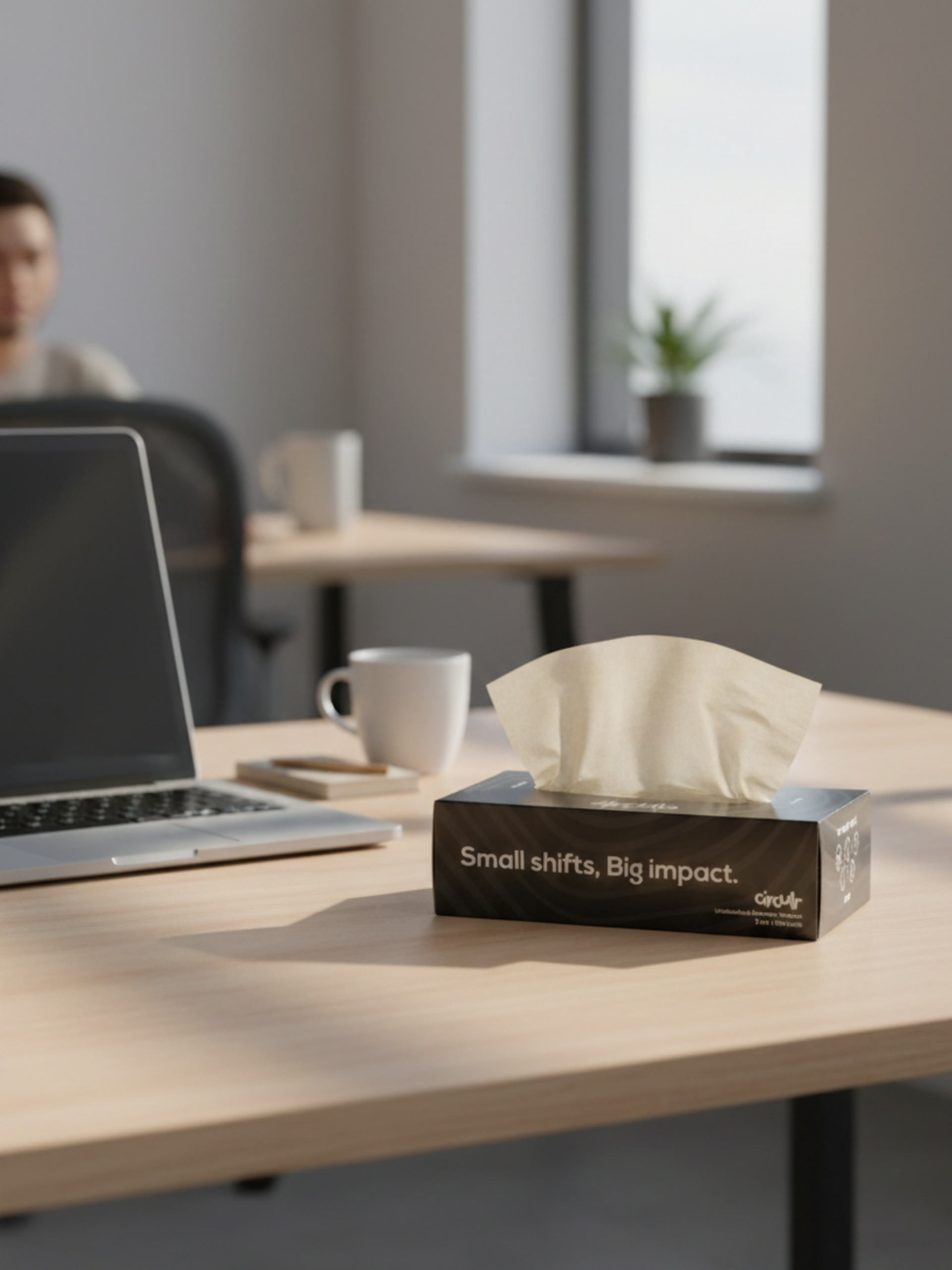
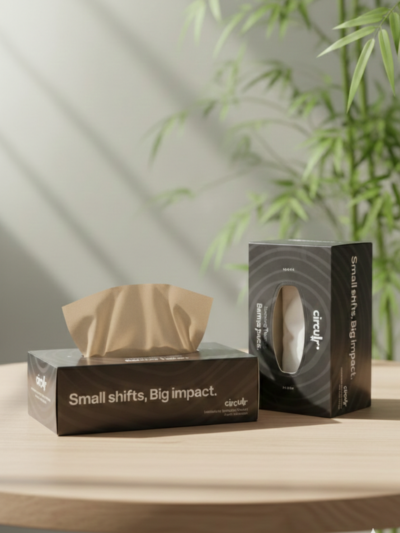
- Bamboo tissues instead of tree-based tissues
- Bamboo napkins for dining
- Bamboo cleaning cloths
These bamboo products in India fit easily into daily routines.
Reducing Plastic Waste In Urban India
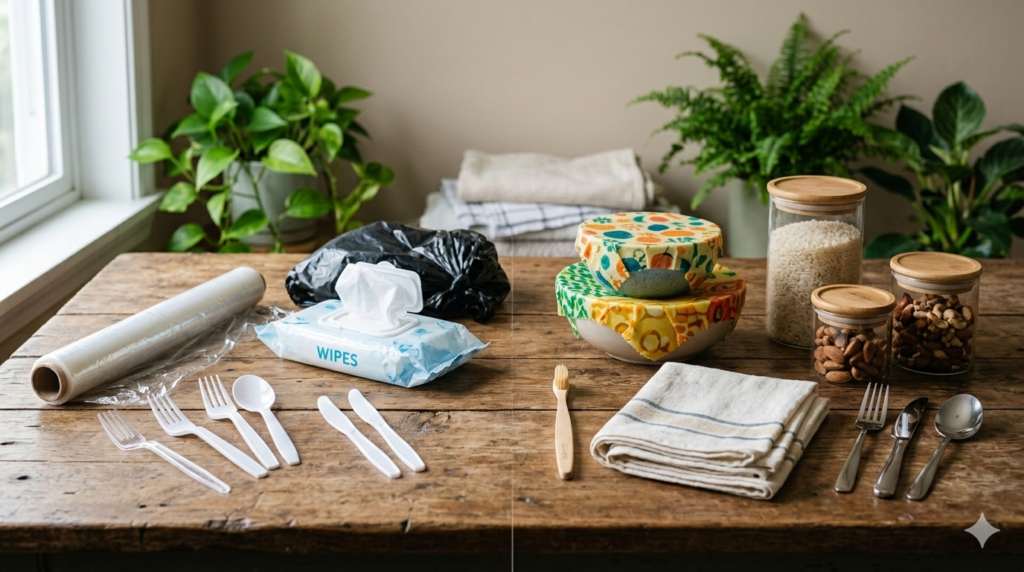
Plastic waste is a growing issue in Indian cities. Landfills are expanding rapidly. Bamboo alternatives help reduce this burden.
By choosing bamboo eco friendly products, families can:
- Lower plastic disposal
- Reduce landfill pressure
- Cut microplastic pollution
- Support biodegradable alternatives
This directly lowers the household carbon footprint.
Supporting Local And Rural Economies
Bamboo cultivation supports rural communities in India. It provides income without damaging land. This strengthens both economy and ecology.
Benefits of bamboo farming:
- Sustainable rural employment
- Low cultivation cost
- Soil conservation
- Long-term land productivity
Choosing bamboo products in India supports local sustainability.

Long-Term Climate Impact Of Small Changes
Imagine one family replacing three disposable items with bamboo. Over a year, this can reduce hundreds of waste pieces.
Long-term results include:
- Lower manufacturing emissions
- Reduced landfill methane
- Less transportation impact
- Cleaner urban spaces
Small swaps create measurable impact.
How To Start Reducing Carbon At Home
You do not need a complete home renovation. Focus on high-use items first.
Step-by-step approach:
- Identify daily disposable products
- Replace with bamboo alternatives
- Reduce energy and water waste
- Choose durable over single-use
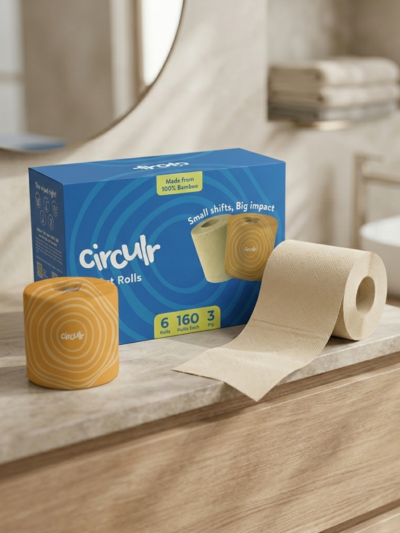
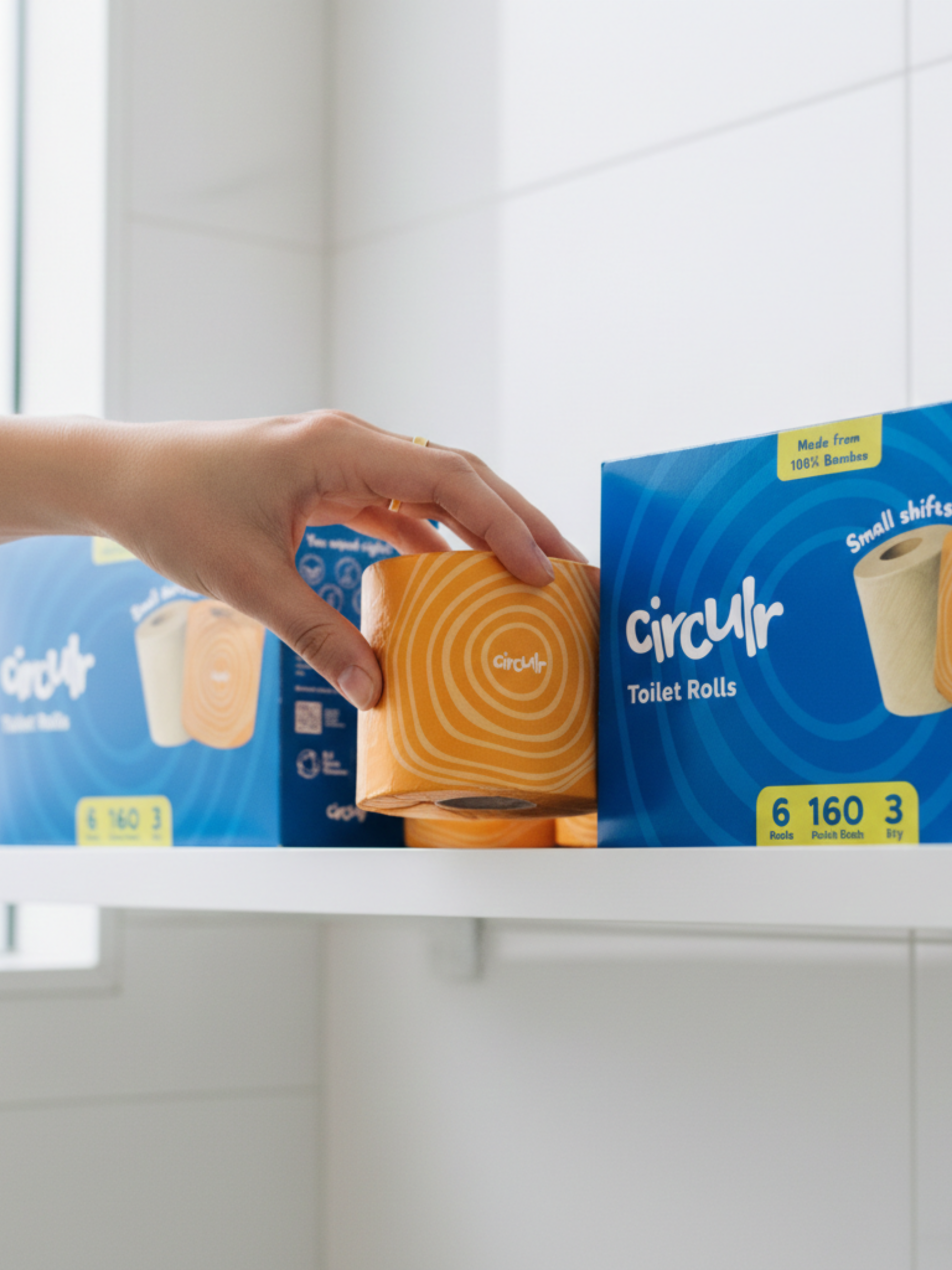
Brands like Circulr make switching to bamboo easy and affordable.
Bamboo As A Climate Ally For Indian Homes
Reducing your household carbon footprint does not require drastic sacrifice. Simple switches to bamboo products can make a real difference. As a powerful bamboo sustainable material, it absorbs carbon, reduces waste, and supports responsible production.
Choosing bamboo eco friendly products is one practical way to reduce carbon footprint at home. Start with small swaps and let bamboo lead your journey toward cleaner, smarter living.